 Book a call →
generation z
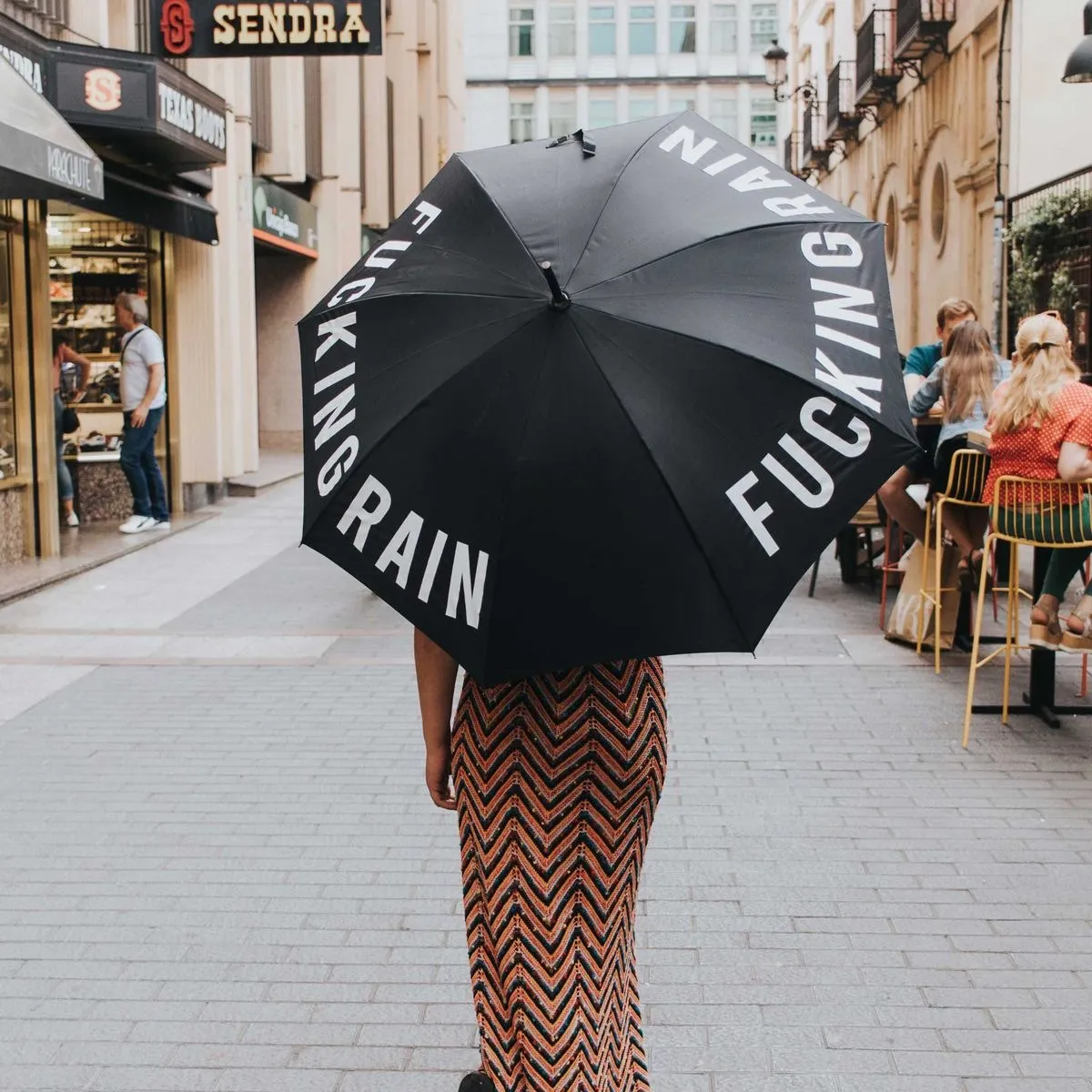
Gen Z has a built-in bullshit detector. Anyone trying to win them over with high gloss has already lost — they reward attitude, not façade.
more than aesthetics
the starting pointThere is a convenient story told about Generation Z: bright colours, meme humour, short attention spans, plenty of TikTok. None of it wrong — but all of it surface.
Reduce Gen Z to their aesthetic and you mistake the symptom for the cause. That mistake is costing brands their relevance by the dozen right now. Because this generation is long past being a fringe group: estimates put Gen Z — today aged between 13 and 30 — behind some 600 billion dollars of global consumer spending.
And this market works differently. Not a little differently — fundamentally. Gen Z is the first generation never to have known a world without the internet, smartphones and social media. That has shaped not only how they consume media but their entire relationship with brands. They filter at speed, they research before they buy, and they can smell a staged performance from a mile off.
authenticity as a filter
real over perfectIf one word describes this generation, it is authenticity — not as a marketing phrase but as a hard filter. The studies are clear: 61 per cent prefer user-generated content to classic advertising. They are 3.2 times more likely to trust a micro-influencer with 50,000 real followers than a celebrity with millions of reach and a visible cheque behind the post.
That changes visual language from the ground up. The slick, over-produced high-gloss campaign loses — the shaky front-camera clip, the jump cut, the visible outtake win. Not because they are prettier, but because they read as real. Apple's “Shot on iPhone” campaign is a Gen Z classic for exactly that reason: it shows people, not models.
For Gen Z, “real over perfect” is not an aesthetic statement but a trust test. Anyone who shows up too polished looks like they have something to hide.
The uncomfortable consequence: perfection has become a warning sign. Where earlier generations equated flawlessness with quality, Gen Z reads it as an attempt to conceal something. Vulnerability, consistency, transparency and real dialogue — those are the markers this generation measures credibility by.
attitude beats slogan
substance over claimGen Z expects brands to take a position — on climate, justice, diversity, mental health. 65 per cent like it when companies carry a moral message; 63 per cent are more likely to buy from brands whose values they share. Sustainability is no optional extra here: three quarters rank it above the brand name, and 64 per cent will pay more for sustainable products.
But the position has to be real. The same generation that welcomes moral messages punishes empty slogans without mercy. Tellingly, only 31 per cent say it matters a great deal to them that a brand “stands for something”. Substance over claim. The stance has to show in what a company does, not in what it puts on a poster.
The textbook example of failure is called pride-washing: brands that dipped their logo in rainbow colours every June while donating money to politicians campaigning against LGBTQ+ rights. Gen Z noticed, documented it and punished it in public. Performative gestures destroy credibility faster than any campaign can build it. A quarter of this generation has already cut ties with companies that behave unethically.
community, not target group
involve, don't broadcastPerhaps the biggest break with the old advertising world: Gen Z does not want to be broadcast at, it wants to be involved. This generation loves having a say — crowdsourcing, user-generated content, co-creative campaigns in which the audience shifts from recipient to co-author.
That calls for a new understanding of brand management: away from “we control every pixel” and towards “we build the stage, the audience performs”. The strongest Gen Z brands use flexible visual systems that leave room for memes, remixes, fan graphics and overlays — rather than fighting them. Remix culture is not a breach of the rules for this generation, it is their mother tongue.
And that dialogue does not begin on a billboard, it begins in the feed. For Gen Z, first contact with a brand happens on Instagram, TikTok or Twitch — 90 per cent say social media content has influenced their purchasing decisions. Mobile-first aesthetics, dynamic motion graphics and a visual identity that holds its own mid-scroll are not nice-to-haves, they are the baseline.
what this means for brands
takeawaySol de Janeiro, the beauty brand Gen Z has adopted as a favourite, shows how it works: consistent body positivity, diverse imagery, Brazilian roots running right through to the product names, and a real, continuous dialogue with the community. Not a one-off diversity post but an attitude that runs through every touchpoint. That is the difference between a brand that claims authenticity and one that lives it.
The lesson is uncomfortable because it means work: looking bold is no longer enough. You have to be bold. Design is not a coat of paint applied at the end, it is the visible proof of a stance that has to exist first. Colour, type and imagery carry values — but only if those values are actually there.
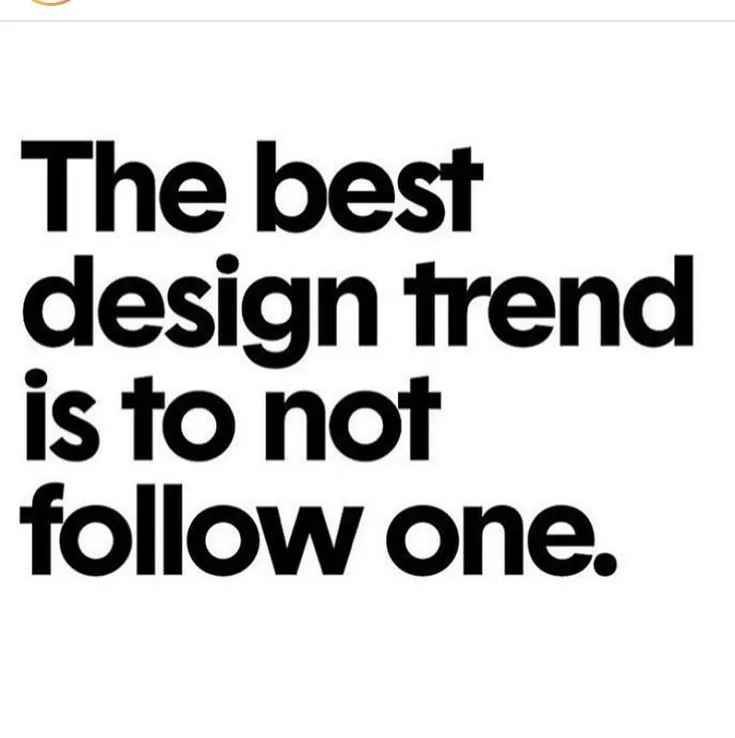
Gen Z is not changing the design industry. It is changing what we expect of brands: attitude first, pixels second.
Anyone who wants to understand Gen Z stops copying their aesthetic and starts taking their values seriously. This generation is pushing companies to be more honest, more transparent and braver — and that is not a threat, it is an invitation. The future belongs to the brands that build something rather than claim it.
Sources
- 01Pulse Advertising (2025): “What Gen Z expects from brands in 2025” — around $600bn in consumer influence, sustainability ahead of brand name, 64 % willing to pay more, pride-washing backlash.
- 02YouGov Profiles (2024/25): “What America's Gen Z really wants from brands” — 65 % moral message, 63 % values-led purchasing, substance over slogans (31 %).
- 03Amra & Elma (2025): “Top Gen Z Marketing Behavior Statistics” — 61 % UGC preference, 90 % social influence, 3.2× micro-influencer trust.
- 04Analyzify (2025): “Marketing To Gen Z” — 70 % buy from brands they perceive as ethical, 90 % expect social commitment.
- 05Slate Teams: “Generation Z Authenticity” — real over perfect, Shot-on-iPhone UGC, micro versus mega influencers.
- 06From Day One (2025): “Authentic Marketing That Resonates With Gen Z” — Sol de Janeiro case study, 86 % authenticity relevance.
- 07MDPI Sustainability (2025): “Sustainable Consumption and Branding for Gen Z” — online brand experience as the strongest purchase driver.
attitude before pixels?
We help you not just look bold but be bold — and make it visible. Tell us about your brand.