 Book a call →
our approach to ai
Generative AI can produce in seconds what takes a human days. The real question is not whether it can — but what that is worth.
the question of principle
the starting pointMidjourney, DALL·E, Stable Diffusion and their successors have achieved something unthinkable not long ago: images at the push of a button, at a quality often hard to tell apart from professional illustration.
For a creative studio that is not a minor development but a question of principle. Does it change the creative market? And if so — for better or worse? Our answer starts with a comparison that surprises at first: generative AI is the fast fashion of the image world. And that comparison is not a joke but a diagnosis.
fast fashion of the image world
diagnosisFast fashion lives on picking up trends at lightning speed and throwing them onto the market in huge quantities — cheap, fast, and with the built-in expiry date every mass product carries. Exactly the same mechanism can be observed in the unreflective use of generative AI. Countless images appear in seconds, but they are often generic, interchangeable, not thought through.
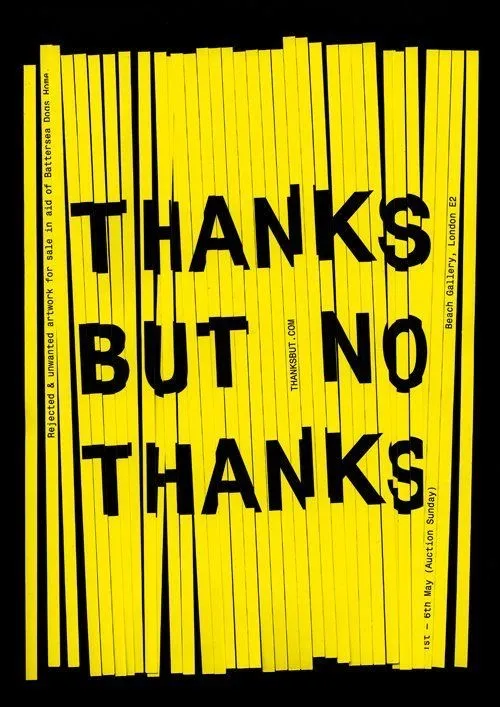
The parallels run deeper. There is the sheer volume: the speed at which new AI content appears produces a flood of images in which the individual work rapidly loses value. Where a piece was once refined over weeks, a hundred variants now appear in seconds — and none of them sticks. Critics coined a term for this arbitrary machine material long ago: “AI slop”, the grey mush of uniformity.
When everything appears at the push of a button, the individual piece becomes arbitrary. And arbitrariness is the opposite of a brand.
And, as with fast fashion, there is the question of the price beneath the price. Just as cheap clothing is often produced under questionable conditions, some AI models come with questions about training data, copyright and resource consumption that should not simply be clicked away. Anyone wanting to work responsibly has to look here too.
the third way
three pillarsTwo comfortable conclusions could be drawn from this diagnosis. One: reject AI on principle. The other: celebrate AI because it is faster and cheaper. We think both are wrong.
A tool, not a replacement
We see AI as an amplifier of creative processes, not their end. We use it to gather inspiration, test ideas visually, make first drafts quickly visible. The refinement and the creative signature always stay human. A creative vision that grows out of experience, knowledge and artistic sensibility cannot be replaced by any algorithm — only accelerated.
Individuality, not stock material
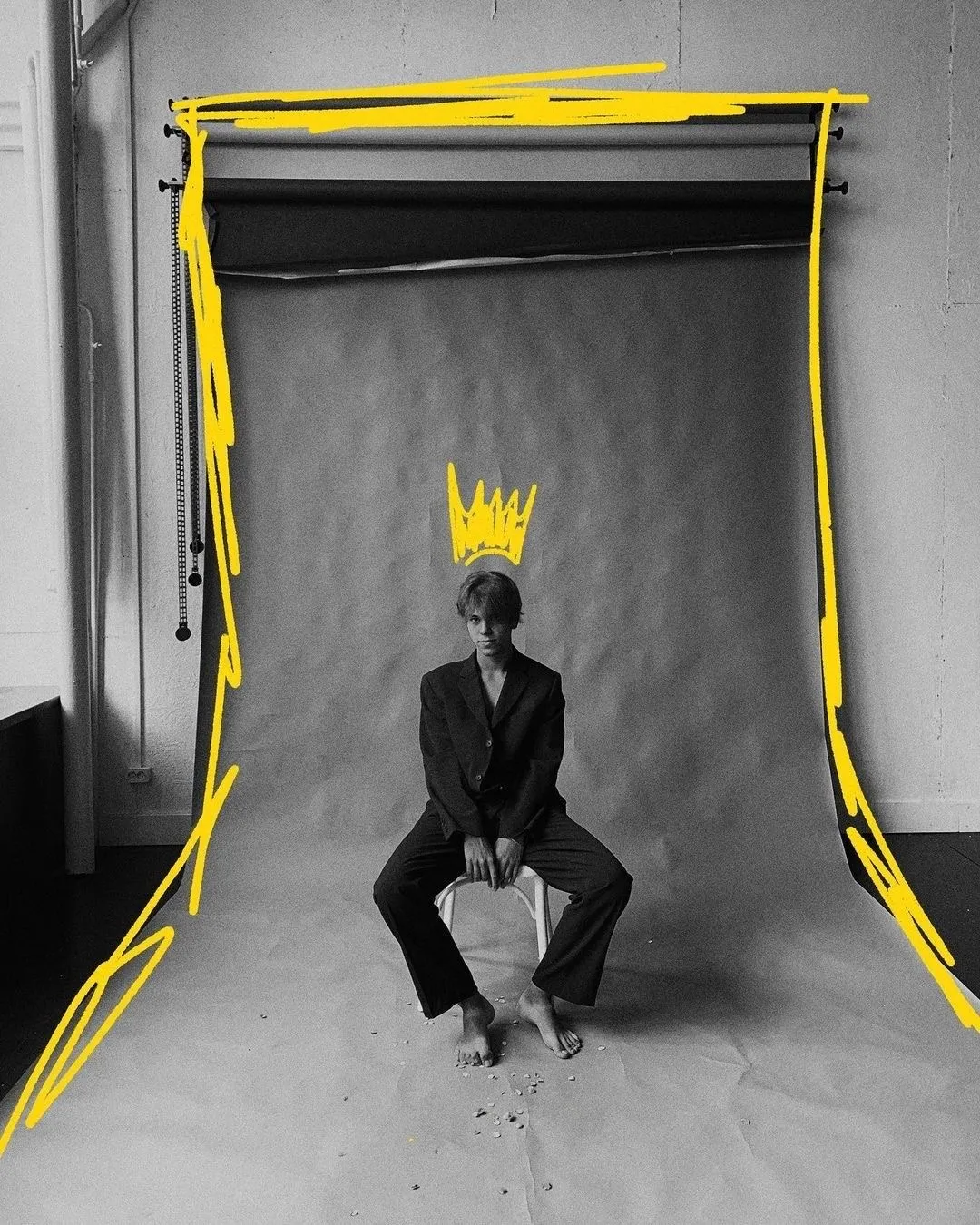
Rather than passing generic AI images straight through, we work with deliberately directed, individualised applications. Our clients do not get interchangeable machine visuals but bespoke creations that sharpen their brand identity instead of letting it disappear into the crowd. The difference lies not in the tool but in the intent behind it.
Ethical selection
We pay attention to which models we use — with an eye on provenance, fairness and traceability. Responsibility does not end with a beautiful result; it begins with the question of how that result came about.
The decisive question is not whether we use AI — but what for: to produce more cheaply, or to lift creativity to a new level.
why this matters now
takeawayThis approach is not a moral fig leaf but a strategic one.
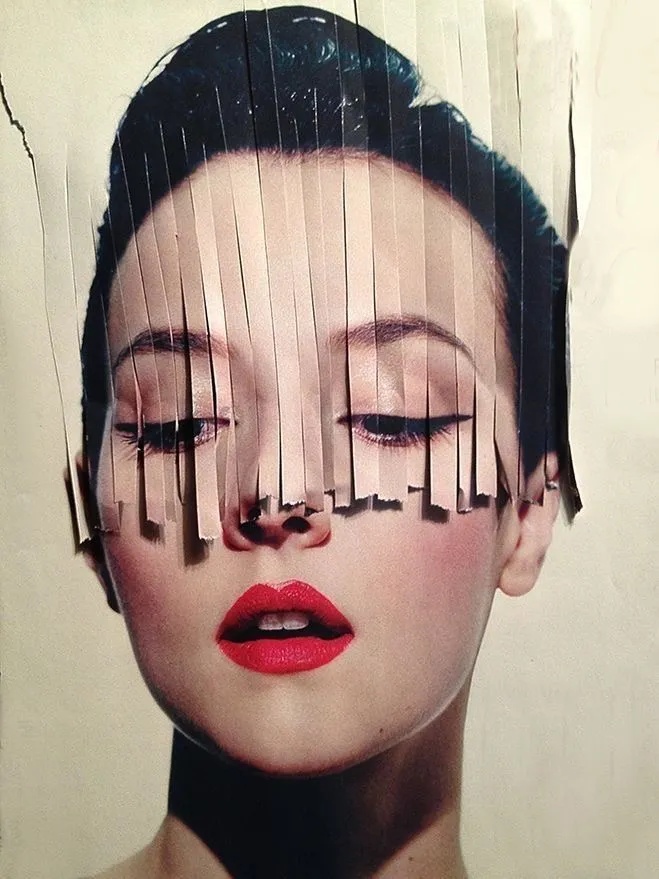
The more the machine takes over the flawless and the fast, the more valuable what it cannot do becomes: a signature, an attitude, an idea that comes from a human mind. In an increasingly homogeneous image world, preserving an unmistakable visual identity is not nostalgia but a competitive advantage.
Which is why our position is not a rejection of the technology but a sharpening of its purpose. Used unreflectively, generative AI really does become the fast fashion of the image world: interchangeable, short-lived, worthless in abundance. Used deliberately, it becomes a creative partner that streamlines processes without undermining artistic value.
In the end one question remains, and it is also our answer. Do we use AI to produce content faster and more cheaply — or do we use it to make creative work better? We have decided. For the deliberate, the ethical, the sustainable route. So that our clients benefit from what AI offers without losing quality and individuality. Because the goal was never the fastest image. It was always the right one.
What this piece is based on
- 01Daffndill guiding principle on AI use: AI as a supporting tool, human refinement remains binding.
- 02Daffndill principle: individualised, deliberately directed applications instead of generic AI stock imagery.
- 03Daffndill principle: ethical model selection with regard to training data, fairness and resource consumption.
- 04The “fast fashion of the image world” analogy: mass production, loss of value and questionable production conditions as a frame of comparison.
- 05The industry debate around “AI slop”: arbitrary, machine-generated imagery as the counterpole to a human signature.
- 06The position that “AI first means mediocrity first”: a deliberate distancing from generic AI design.
- 07The guiding question: produce faster and more cheaply — or lift creative work to a new level?
signature over button-press?
We use AI where it speeds up the process — and stop where your brand has to become unmistakable.