 Book a call →
sustainable culture
For us, sustainability does not start with the material but with the attitude. And work, we are convinced, is allowed to feel good.
two ways of talking about it
the starting pointOne counts metrics, buys certificates and offsets whatever is left at the end of the year. The other starts a level earlier — with the question of how people work together, decide and treat each other.
We chose the second. Not because it markets better but because it is the foundation everything else stands on. A culture built on wearing things out — people, relationships, resources — cannot be sustainable, however green its balance sheet looks.
What follows is not a mission statement for the shop window. It is a description of how we actually work.
remote by conviction
not by necessityOur team works entirely remotely. Anyone who wants to can work from home a hundred per cent of the time — and that is not a compromise we had to make but a deliberate decision. We believe flexibility and trust produce better results and more contented people.
Remote here explicitly does not mean isolated. It means connected, on equal terms, with every tool you need. Nobody has to align where they live with their job; there are no fixed locations where attendance is expected. If your life changes — a new chapter, a different city — we move with you.
What counts is your contribution — not your postcode.
That creates freedom and, easily overlooked, reliability. Our work is structured to fit around people's rhythms of life, not the other way round. Freedom and stability are not opposites for us but two sides of the same decision.
attitude, then action
how we workThe attitude first
For us, sustainability begins not with the carbon footprint but one step earlier: with the inner attitude. How you think, speak, decide. Real change does not come from rules but from conviction. Ideas can come from any corner here — they get heard, discussed and, if they hold, tried out. Rules can be worked around; a conviction you carry with you.
Fewer meetings, more substance
Time is the one resource that cannot be recycled. Whatever can be settled by chat or a short note does not need an hour-long video call. And when a meeting really is necessary, it comes with a clear agenda, a defined length and only the people actually needed. A full calendar is no proof of productivity. Often it is the opposite.
Hardware with a past
New hardware does not land on our desks every year. Instead we work with carefully maintained second-hand equipment that still has plenty of service ahead of it. And when we do retire something, it goes into good hands rather than the bin. The most sustainable computer is the one you do not have to buy new.
people, not headcount
teamIt is not resources that work here but people. And people have lives, with everything that involves. We believe appreciation, fairness and balance are the basis for good work — not the nice extra afterwards. Which is why there is no unpaid overtime here but real recognition. No self-exploitation but room to pause.
We look out for each other, we talk to each other, and we stick together. Because we know the best software counts for nothing if the team behind it burns out. Sustainability also means creating healthy working conditions that are allowed to last. A team you burn through is the least ecological waste of resources there is.
longevity
what lastsIn a world constantly pushing for newer, faster, more, we deliberately take a different route.
We believe in longevity: in processes, systems and relationships that last because they are well made, well maintained and meaningful. “Built to Last” is not a marketing slogan here but a basic stance — a term the management researchers Jim Collins and Jerry Porras coined for companies that preserve their core while continually renewing themselves.
We build structures that are durable — technically and humanly. Our tools, our communication, our internal organisation are designed to still work tomorrow. We work with digital systems that grow with us rather than ageing out; our communication routes are considered and reusable, our project structures flexible and stable at once.
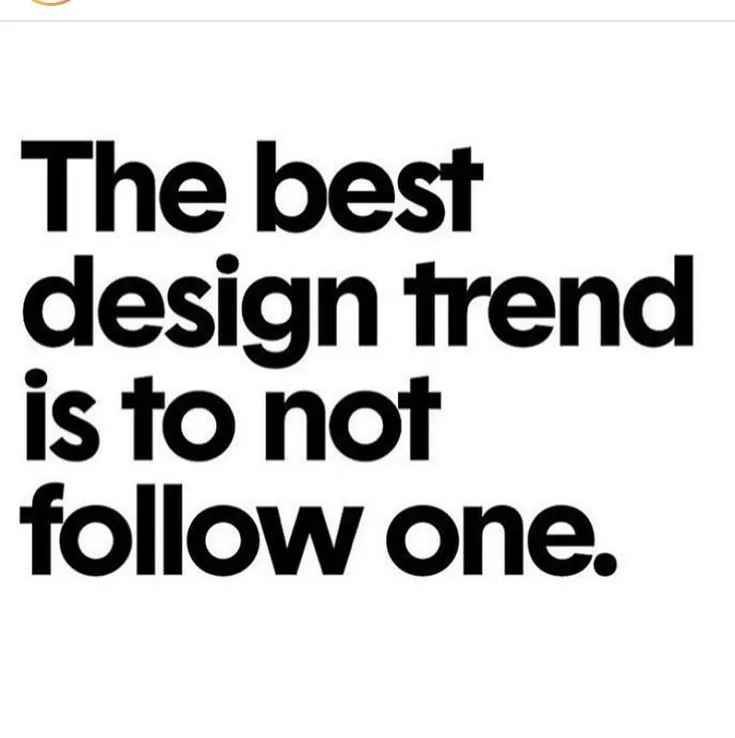
For us longevity means deliberate design meeting human connection. Together the two outlast any trend.
That durability applies above all to relationships. We build on collaboration that grows, on trust that stays, and on connections that make real development possible — without constant turnover, without showing off. That is not merely pleasant but sustainable in the literal sense: knowledge stays in-house, trust accumulates, working together gets easier and better. Sustainability is not a department or a seal but a decision you make fresh every day.
What this piece is based on
- 01Internal principles on remote work, fair pay and team wellbeing: no unpaid overtime, room to pause.
- 02Collins, J. & Porras, J. I. (1994/2002): “Built to Last: Successful Habits of Visionary Companies”, HarperBusiness — the origin of the longevity idea.
- 03Reuse IT practice: maintained second-hand devices, donation of working hardware to non-profit projects.
- 04Meeting principle “as few as possible, as smart as necessary”: clear agenda, defined length, only the people needed.
- 05The principle of location-independent work: contribution before presence, work adapted to the rhythm of life.
- 06Long-term client and team relationships as the basis for retained knowledge and growing trust.
- 07Guiding thought: longevity equals deliberate design plus human connection.
prefer the long term?
We work in relationships, not in projects. If that sounds like your way of working, get in touch.